|
||

|
Join us on Sunday, June 21 for our Father's Day Fish Fry with Scallop Shack Farms! |
|
|
||
|
||
|
|
Join us on Sunday, June 21 for our Father's Day Fish Fry with Scallop Shack Farms! |
|
|
||

Ever spotted tiny crystals in your wine and wondered what they are? Meet “wine diamonds”!
These little crystals, called tartrates, are completely natural and harmless. They form when natural grape compounds bind together during the winemaking process, kind of like nature’s version of rock candy for wine lovers. Fun fact: they are actually the same thing as cream of tartar used in baking.
You’ll usually spot them more often in white wines than reds, and while they may look unexpected, they are simply a sign of a minimally processed wine. No worries, no flaws, just a little extra character in your glass.
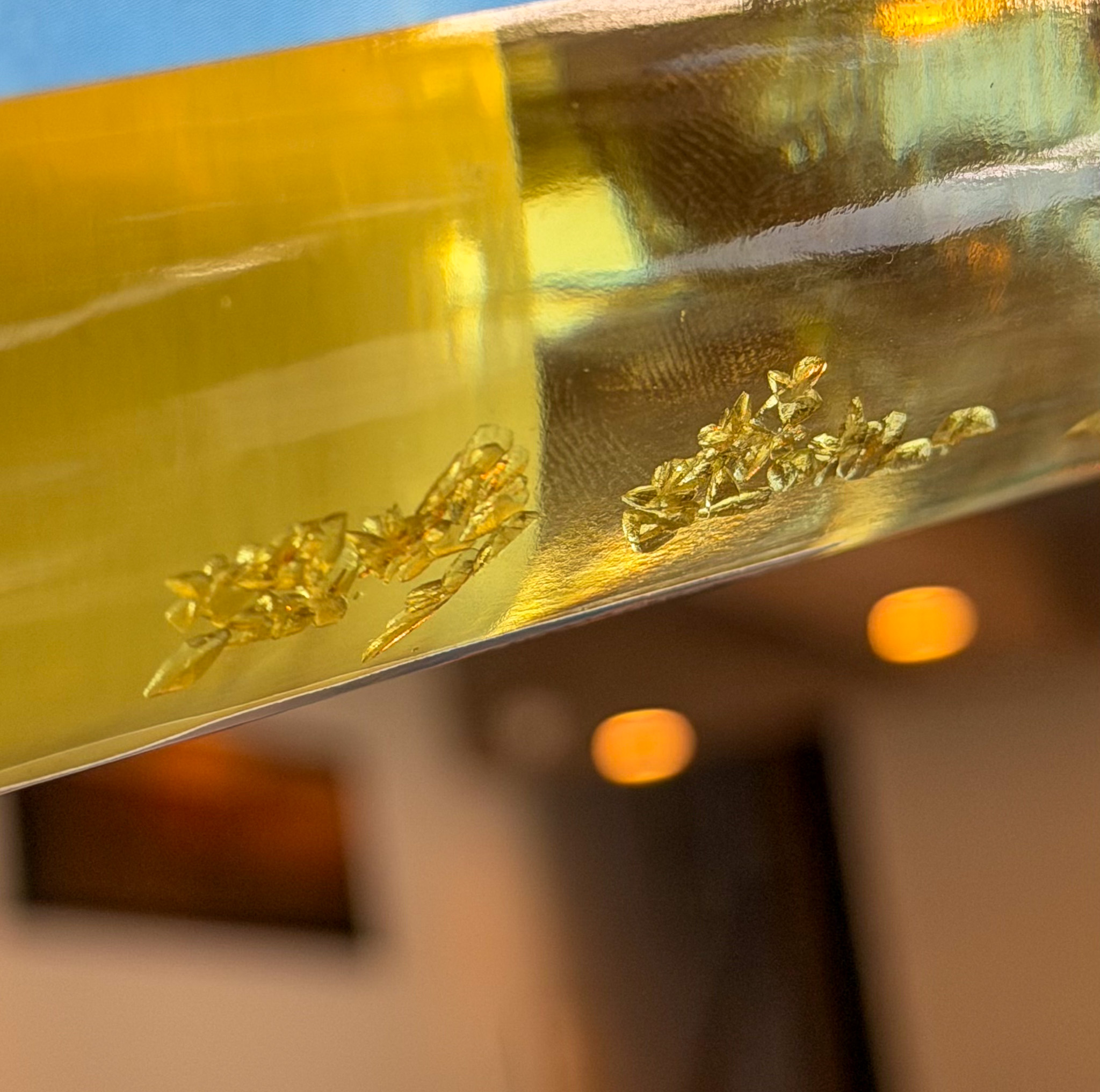
Why do "wine diamonds" form?
Tartrates are a completely natural part of wine and can develop as wine ages. They are especially likely to appear when a bottle gets very cold, typically below 40°F. Those chilly temperatures encourage natural grape acids and potassium to bind together and form tiny crystals.
Think of it as your wine putting on a winter coat. A little cold exposure can turn those natural compounds into harmless “wine diamonds” inside the bottle.
Why does tartaric acid stay in wine?
Every wine naturally contains organic acids, with malic and tartaric being the two main players. Malic acid (think “malum,” Latin for apple) can be transformed during fermentation into a softer acid called lactic acid, which helps round out the wine.
Tartaric acid, on the other hand, is the steady one. It’s a key part of what gives wine its structure, balance, and refreshing lift on the palate. It remains stable through most of the winemaking process, unless the wine is exposed to very cold temperatures, where it can contribute to the formation of harmless “wine diamonds.”
Do tartrates affect wine quality?
Not at all. In fact, many winemakers, sommeliers, and wine educators see tartrate crystals as a positive, an indicator that the wine hasn’t been overly processed or stripped down.
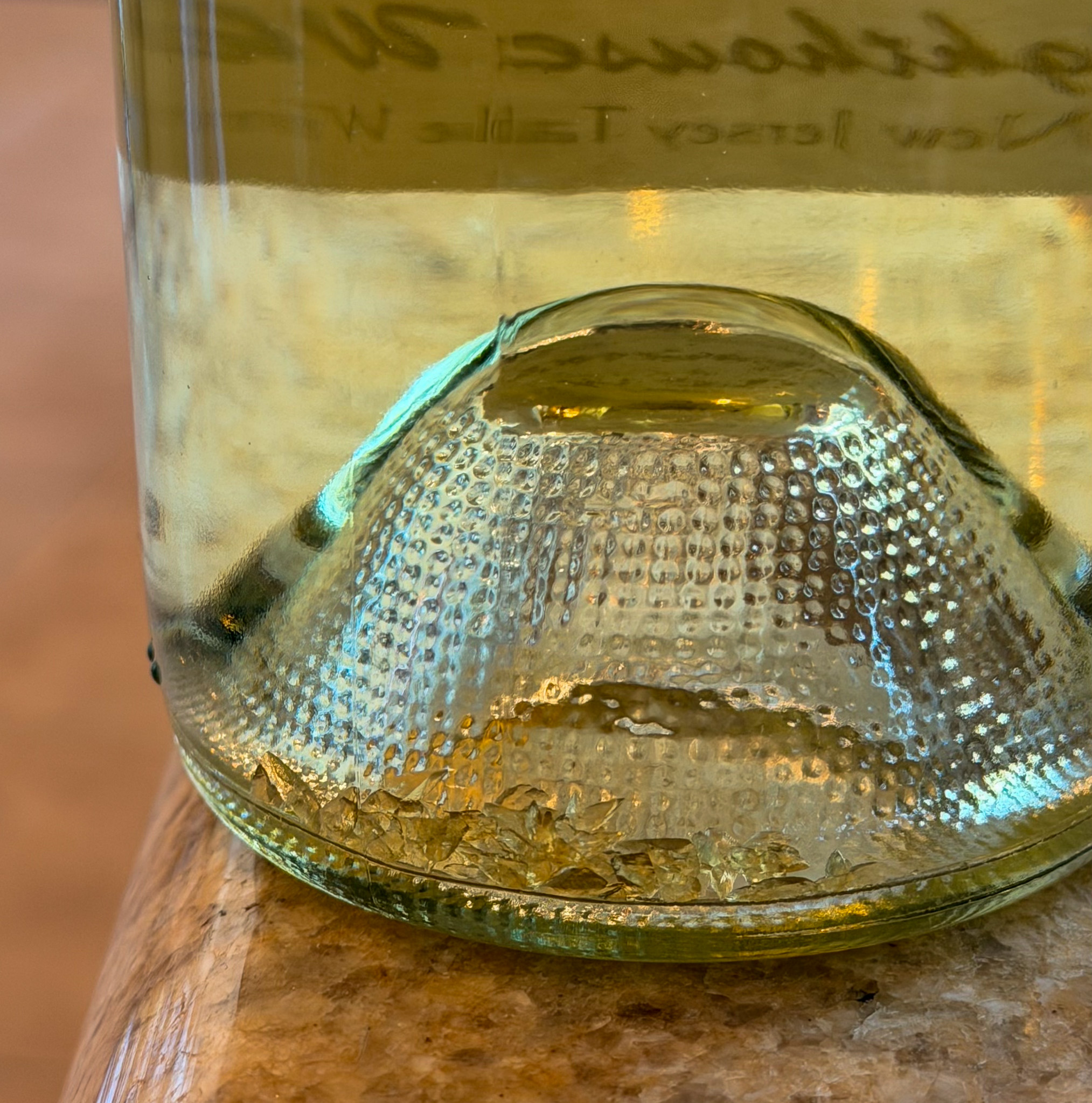
Can you avoid tartrate crystals once you have your bottle at home?
Temperature plays a big role. Storing wine too cold for too long can encourage crystal formation, so a dark and cool cellar range is ideal. Avoid long-term fridge storage when possible, and chill wines right before serving instead. Please do not place your bottle of wine in the freezer!
How should you serve a bottle with crystals?
Easy fix. If you see them on the cork, just wipe them away. If they’ve settled in the bottle, you can decant carefully and leave the last bit behind, or simply pour gently and enjoy. Pouring through a cheesecloth is also acceptable.